Understanding Animal Birth Control

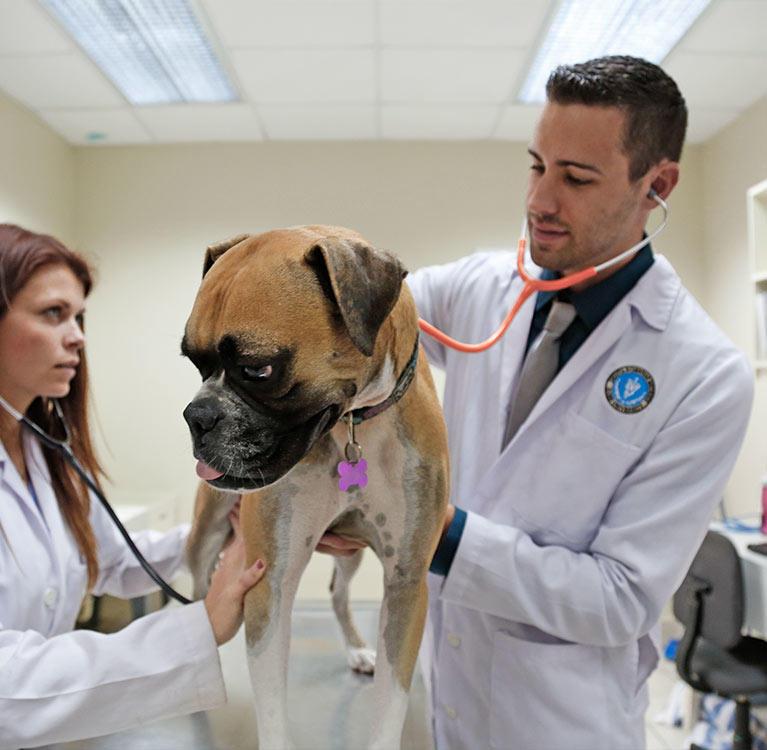
Animal birth control is central to responsible pet ownership and the welfare of the larger animal community. This term generally refers to the practices of spaying and neutering—surgical procedures that render animals incapable of reproducing. Both procedures are safe and commonly performed by veterinarians, contributing to a reduction in the number of unwanted pets and stray animals, which can often be a significant problem in urban areas.
Benefits of Spaying and Neutering
- Population Control: Unchecked breeding leads to overpopulation, straining shelters and resources. Birth control in animals prevents this.
- Health Benefits: Spaying and neutering can prevent certain types of cancers and reduce the risk of other health issues in pets.
- Behavioral Improvements: Altered pets often show a reduction in aggressive tendencies and are less likely to roam, reducing the risk of accidents.
Promoting Responsible Pet Ownership
Responsible pet ownership involves not only providing for an animal's basic needs like food, water, and shelter, but also ensuring they lead healthy and controlled reproductive lives. Community awareness and education about the benefits of animal birth control are key in promoting these practices among pet owners.
Community Education and Outreach

Veterinarians often work in conjunction with local communities to provide education on the importance of spaying and neutering. Outreach programs are vital to inform pet owners about the long-term benefits for their pets' health and the community at large.
Supporting Animal Welfare
Animal birth control is more than just a measure of convenience; it is an ethical consideration that supports the wellbeing of the entire pet population. By preventing the birth of unwanted litters, communities can reduce the number of animals that end up in shelters or, worse yet, abandoned and neglected.
Impact on Shelters and Rescues
Overcrowded animal shelters pose a significant challenge to animal welfare. Birth control for animals directly impacts the quality of life for shelter animals by allowing for better resource allocation, more attention per animal, and a greater chance of adoption.
Traveling with Your Pet
For pet parents who love to travel with their furry friends, ensuring their pet's health is optimized through measures like spaying or neutering can make the journey smoother. Altered pets may be less stressed during travel and less likely to exhibit territorial behaviors in new environments. Plus, having documentation that your pet has been spayed or neutered may be required by some accommodations and travel companies.
Planning for a Safe Trip
Ensuring your pet's vaccinations are up-to-date, considering their comfort in various modes of transportation, and packing the essentials for their care are all part of the travel planning process. A pet that has undergone animal birth control is generally more adaptable, which can positively influence your shared travel experiences.
Conclusion
Animal birth control is an integral aspect of pet ownership and has profound benefits for individual animal health, the surrounding community, and the overall population of pets. Beyond its local impact, birth control for pets can even make your next travel adventure with your companion more enjoyable. Embracing the responsibility of spaying and neutering our pets contributes to a happier, healthier world for all creatures.